
Don't Rush to Admit Fault: A Foreigner's Guide to Car Accidents With Injuries in Thailand
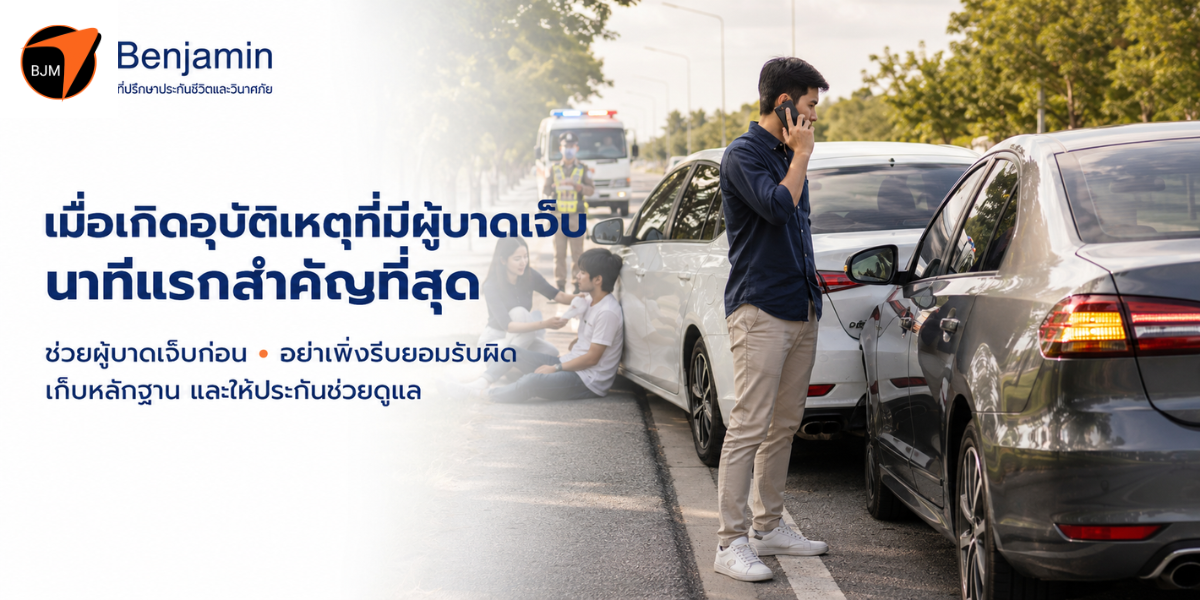
If You're Driving in Thailand, Read This Before an Accident Happens
Thailand's roads work differently from what many foreign drivers are used to — and the legal and cultural response to an accident is different too. A collision involving injury or death is a high-pressure, disorienting situation, and many people make emotional decisions in the moment — out of sympathy, fear, or guilt — that carry serious consequences for years. This guide explains what to know in advance so you can respond with a clear head. It is written for foreigners driving in Thailand and reflects the Thai legal context.
1. Help the Injured First — Never Flee the Scene
Human life comes first. Stop, assess the situation, and assist the injured immediately. Call an ambulance on 1669 and notify the police (191). Fleeing the scene — "hit and run" — is a serious criminal offense under Thai law and dramatically increases the penalties, regardless of whether you were at fault. Staying to help is the right thing to do, both legally and ethically. As a foreigner, leaving the scene will also complicate your immigration and legal standing significantly.
2. Gather the Full Picture Before Admitting Anything
In Thai culture, apologizing quickly can feel like the polite, respectful response — but in the shock of an accident, saying "It was my fault" before you know all the facts (traffic signals, speed, point of impact, the other party's behavior) can work against you. Before concluding who is responsible, photograph the scene, vehicle positions, and damage; save your dashcam footage; and let the police and your insurer assess. Admitting fault too early, without complete information, can put you at a disadvantage in any later claim or negotiation. Note that fault in Thailand is formally determined by the police report and the insurers, not by a verbal statement at the roadside.
3. Understand How Admitting Fault Affects Insurance and Civil Liability
Once you admit fault, your insurer moves to settle according to that liability. What many foreign drivers don't realize: Thailand's compulsory motor insurance (por ror bor / พ.ร.บ.) covers only limited amounts, and even voluntary policies have coverage ceilings. If damages exceed your policy limit, or additional claims are filed, you could face a high-value civil lawsuit — especially in cases of death or serious injury. Accepting fault before understanding the scope of the damages is a decision worth making carefully.
4. Negotiate Calmly — Let Time Work in Everyone's Favor
In practice, emotions run high in the immediate aftermath, and negotiating on the spot rarely produces a good outcome. Time allows everyone to cool down and usually brings the conversation about compensation into a more reasonable range. In many cases, a settlement reached later may fall entirely within what your insurance can cover — reducing the financial impact on you or your vehicle's owner, and lowering the risk of a civil suit. This is especially important for foreigners, who may not be familiar with local norms around compensation figures.
5. Close the Agreement in Writing
Once you reach an understanding, formalize it in a written settlement (a compromise agreement, or sanya praniproni yom khwaam / สัญญาประนีประนอมยอมความ) that clearly defines the scope of liability and compensation, protecting against further claims later. Have it prepared or reviewed by someone who understands both the language and Thai law — a well-drafted document is what truly closes the matter for both sides.
Know Your Rights: Admitting Fault Doesn't Change the Real Penalty
An important point to understand: under Thai law, criminal penalties are determined by facts and evidence — they do not increase or decrease simply because you admitted fault sooner or later. So waiting until you have complete information and the situation has settled does not disadvantage you criminally; it simply lets you handle civil damages more appropriately.
Disclaimer: This article offers general guidance for a foreign audience and is not case-specific legal advice. Every situation is different — consult a qualified professional.
Benjamin Stands Beside You at Every Step
At Benjamin Insurance & Consulting, based in Bangkok, we're not just an insurance broker — we specialize in claim consulting. For foreign residents and drivers in Thailand, navigating an accident in an unfamiliar language and legal system is stressful. Our team helps you assess the situation, communicate and coordinate with Thai insurers, and ensure your rights are fully protected. We believe the true value of insurance shows up when something goes wrong — not just when you buy the policy.
📞 Talk to Benjamin's expert team at contact@benjamin.co.th or LINE ID: @benjamin
Ready for Benjamin to take care of you?
Let us be your personal risk management team.